The manager is asleep on the paper towels.
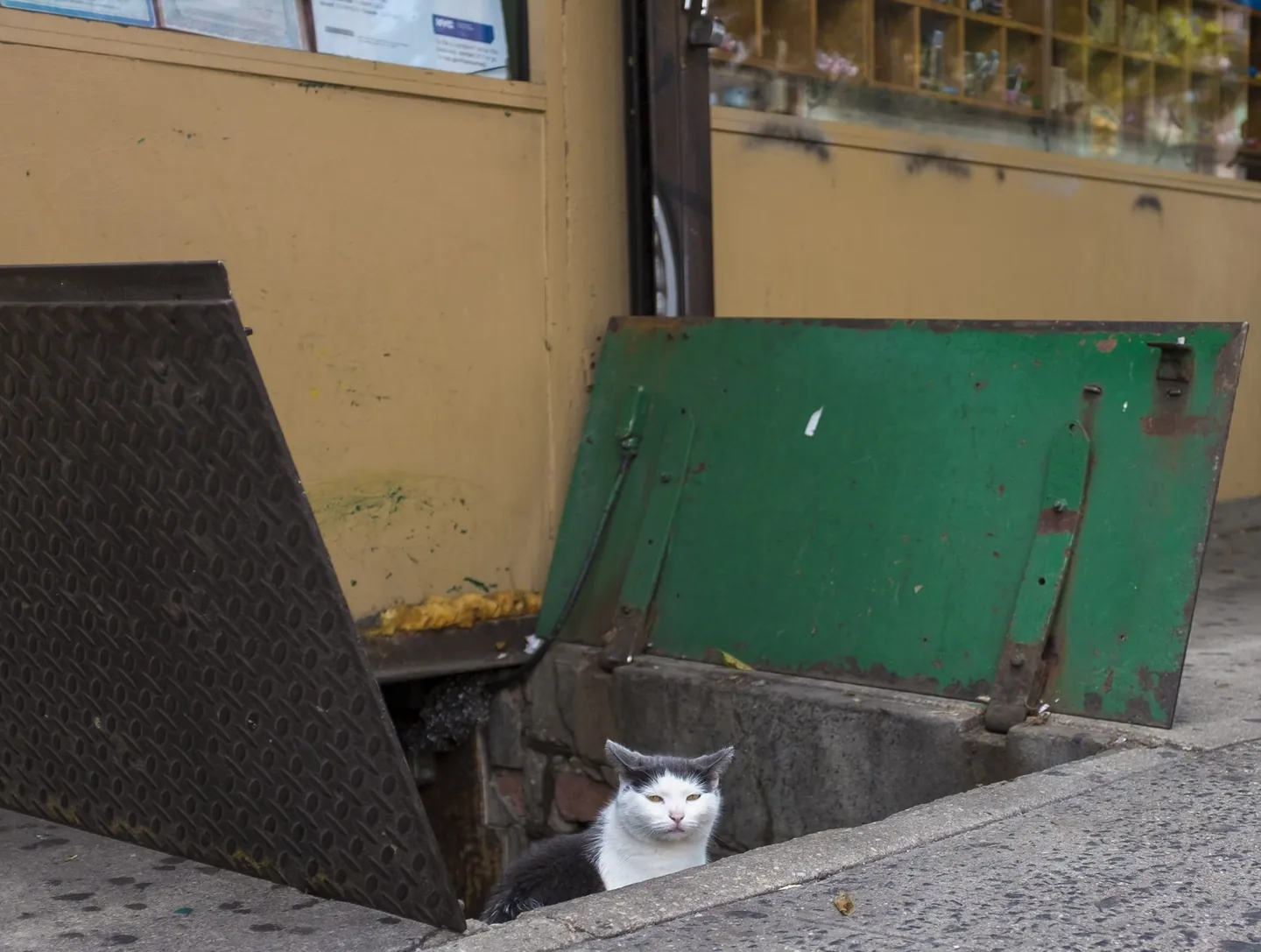
Mouse patrol, customer service, overnight supervision. The bodega cat has a long job description—and a flexible interpretation of it.
.jpg)
You came in for milk. Now you’re standing in the aisle, asking the person behind the counter what the cat’s name is.
This is how a quick errand becomes a visit. Somewhere between the refrigerator hum and the coffee machine, a cat has made itself part of the place. It might be watching the door. It might be curled up in a cardboard box. Either way, it seems considerably less rushed than everyone else.
Management, from a comfortable height
Calling a bodega cat “the manager” is a small joke with an excellent visual basis. A cat perched above the action can look like it’s evaluating the entire operation: deliveries, foot traffic, your choice of chips. No clipboard required.
The appeal is the confidence. Everything else in the store has a price, a place, or a person responsible for moving it. The cat appears to answer to a different system. If it has chosen a particular box for the afternoon, you suspect that box will be staying there.
Customer service, by appointment
Some shoppers want a greeting. Some want to know whether the cat is in today. A successful interaction might amount to a slow blink from across the aisle. For a regular, that can be enough.
The affection can get quite serious. In an Associated Press report, Greenpoint shopkeeper Salim Yafai described a longtime customer asking to buy his cat, Reilly. The errand had apparently developed into something more.
There’s a particular pleasure in being recognized by a place—and in recognizing something there yourself. Learning the cat’s name gives you one more reason to stop, look around, and talk to the person at the counter.
Mouse patrol has a complicated résumé
Pest control is the familiar explanation for a shop cat. It is also where the legend needs a little care. Mice and large city rats aren’t interchangeable opponents, and a feline presence doesn’t mean a store’s pest problems are solved.
A 2018 study in a New York industrial building found very few predation events where feral cats and rats shared space. Rats changed their behavior around cats, but the researchers cautioned against treating cats as effective control for large urban rats. That study wasn’t a test of bodega cats hunting mice. It does put a useful limit on the superhero version of the story.
We can enjoy the title “head of mouse patrol” without expecting one small employee to do the work of an entire maintenance department.
The late shift
“Overnight security” belongs to the same affectionate fiction. Picture a cat sitting by the entrance while someone buys a drink on the way home: alert eyes, composed posture, no apparent concern about the hour. It looks like supervision. Whether it’s supervising anything besides its next meal is another question.
After a long day, that calm is welcome. The store is still open. There’s somewhere to get what you forgot. And the cat is carrying on with whatever cats consider important.
A neighborhood personality
A bodega cat gives a familiar storefront a face that isn’t on a sign. People remember it, ask after it, and introduce friends to it. An otherwise ordinary stop acquires a small story.
Being fond of the cat doesn’t make it public property. Ask the shopkeeper before petting, give it room to leave, and don’t offer food without permission. A sleeping cat is already doing exactly what it intended to do.
Buy your milk. Say thanks. Leave the manager to its paperwork.