The neighbors who work the late shift.
Central Park’s raccoons have their own routines. Catching a glimpse starts with slowing down.
.jpg)
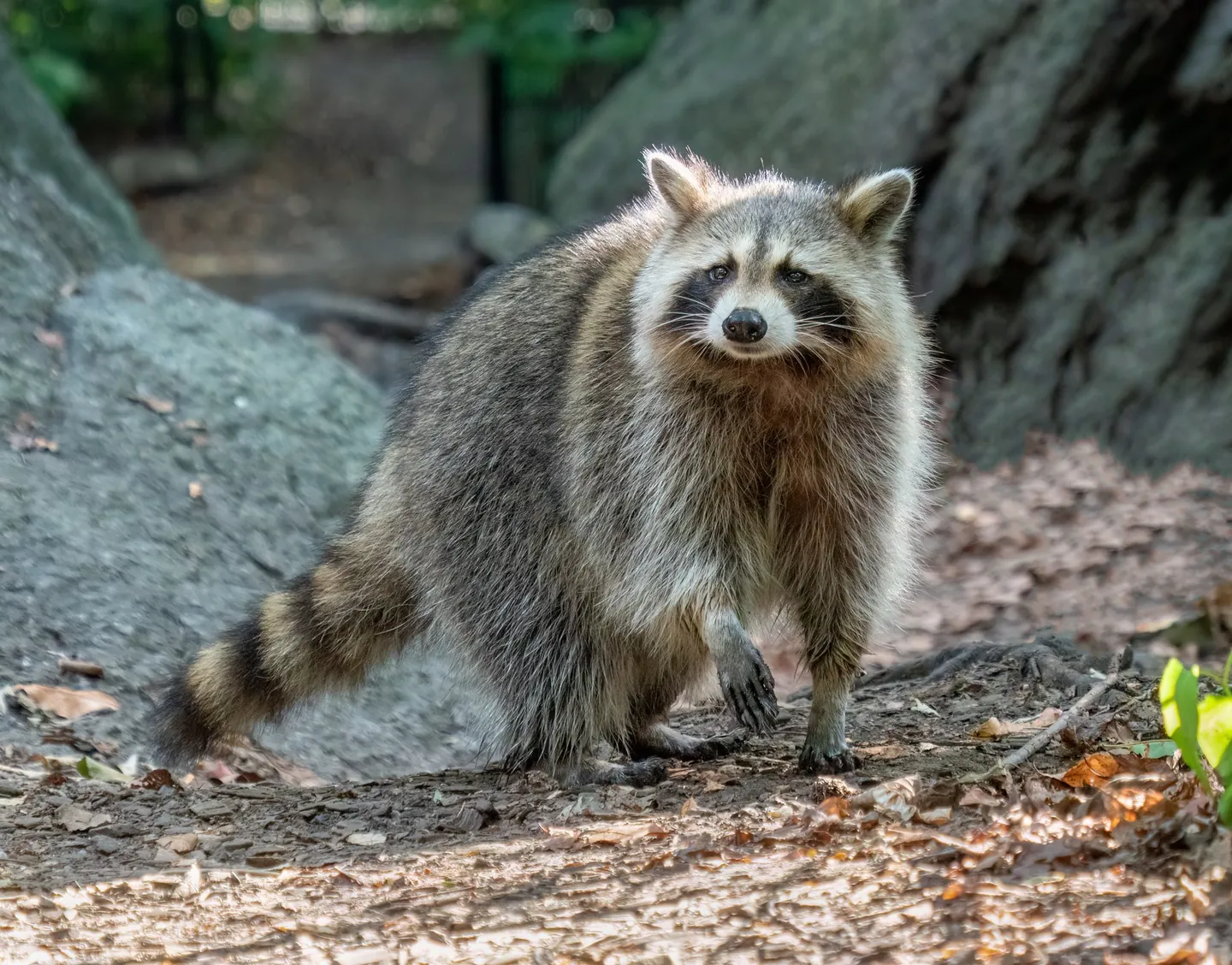
A raccoon is a small interruption to a familiar walk. You might be thinking about the subway, dinner, or how far you still have to go. Then something moves beside the path, and for a moment the park has your full attention.
The mask and striped tail make them easy to recognize. What’s less obvious is how much of the city suits them: shelter, food, and plenty of places to disappear.
Where to look
The Pond, near the park’s southeast corner, is one place with a documented history of sightings. A 2023 report on CentralPark.com described people gathering there to see raccoons after dark. Treat that as a past observation, not a nightly appointment.
Wooded walks are worth taking for their own sake. The Ramble and North Woods offer trees and cover of the kind raccoons use, though that is a habitat-based suggestion, not a verified sighting forecast. Stay on the paths, leave dens alone, and let any encounter happen on the animal’s terms. An evening walk may offer a chance; it may also offer only a good walk.
Daylight isn’t a diagnosis
Raccoons tend to be active at night, but a daytime appearance alone doesn’t mean something is wrong. The Central Park Conservancy points out that healthy raccoons can be out during the day. Their shelter might be a tree cavity, a hollow log, or a rock crevice—spaces easily overlooked from the pavement.
A few things worth noticing
Watch the paws, from a distance. Their dexterity is remarkable: WildlifeNYC describes raccoons opening doors and untying knots. The same ability helps them investigate a poorly secured trash can. They’re capable climbers and swimmers too.
Winter brings another adjustment. In an interview with the Conservancy, Urban Park Ranger Rob Mastrianni described raccoons sheltering together in natural nooks when it gets cold. They don’t truly hibernate; during lean periods, they can spend extended stretches resting in a lower-energy state called torpor. The apparently quiet tree beside your walk may have more going on inside than you think.
Leave the snacks in your bag
The Pond sightings also tell a less charming story: visitors offering food helped turn wild animals into an attraction. Keep your distance, don’t feed them, and keep dogs away. If an animal appears sick or injured, contact 311 rather than trying to handle it yourself. NYC’s raccoon guidance explains how to coexist with them.
A good sighting ends with the raccoon carrying on. You get a glimpse of another New Yorker’s routine. It gets to keep its evening.